The 12 best short/ankle wellington boots in 2026
The ‘classic’ wellington is typically a knee-high boot. While this height is practically necessary if you want maximum protection, sometimes it can be slightly overkill.
That’s where short and ankle-length wellies come in. There’s a surprising amount of variety within that sub-sector of the wellington boot market, and without the right guides and resources, it’s easy to end up with a pair that still won’t quite suit your needs.
We’ve explored how to conduct your search in some more detail below, to help you find the best short wellington boots for your needs in 2026.
What to be aware of when buying short wellies
With short wellies, there’s potentially even more variety in terms of what’s on offer than there is with full-length boots. As a result, you need to be even more tactical in your research.
There are models that aim to cater to all sorts of different activities and markets, from robust, insulated farming boots all the way to chelsea-inspired city boots.
Often, you’ll find that reputable brands like Hunter and Le Chameau offer short versions of their full-length boots. With these models, the construction, features and materials will all be the same on both options, the size being the only difference.
Other brands, such as LBC and Muck Boots, use a range of different materials and manufacturing techniques with their short boots, resulting in a range of specific characteristics such as increased durability and exceptional weight reduction.
If there’s anything in particular that you’re looking for in your short wellie, then it’s important to properly investigate potential nuances in construction methods and materials, so that you can further refine your search.
To avoid unnecessary confusion, it’s worth thinking about what you’re gong to be using the boots for before getting started with your search. For example, do you need a short boot to work in? Something to wear to brunch in the park when it’s been raining a little? Or a wellie you can take for long hikes and stay warm and dry in? Taking even 5 minutes to list your main uses like this can make the rest of your research process a lot more efficient.
While a pair of short wellies will be more convenient to wear and to store, it is important to be aware of their limitations in terms of protection. They simply won’t deal with exceptionally wet conditions as well as a knee-length boot, whether that’s in a torrential downpour or walking through deep undergrowth in the countryside.
For a lot of users, that won’t end up being an issue, but it’s important to be realistic in your expectations from the get-go. Just make sure that you’re choosing short wellies for the right reasons.
If you’re trying to prioritise weight reduction or comfort, for example, then these are features that you need to specifically look out for in your search. Don’t just look for short wellies, or you’ll be gambling on whether the boot ends up suiting you at all.
What’s the benefit of a short wellington boot?
Short wellington boots manage to avoid a lot of the drawbacks associated with full-length wellies. Where full-length options can be cumbersome, difficult to store, and much too hot during the summer months, shorter boots take the primary function of a wellie - being totally, reliably waterproof - and diverge in most other design features from there.
With a short wellie, what you will be able to benefit from is a lighter, more comfortable pair of boots, which are often just as or potentially even more durable than a full-length pair. Short wellies are easier to store when you’re not using them, and easier to style with a wider range of outfits.
The shorter shaft means that they tend to be easier to slip in and out of, while also allowing a tighter fit around the ankle. With ankle-length boots in particular, you’ll often be able to get a fit that’s similar to a walking boot, making them a great option for longer walks and hikes.
Short wellies are a must-have piece of wet-weather kit for most people, and it’s really worth putting in some extra effort to find a pair that you actually enjoy using.
At A Glance
The best short/ankle wellies overall for 2026: LBC Ultralight Ankle Boot
The best short wellies for gardening: Le Chameau Men’s Cérès Jersey Lined Short Wellington Boot
The best short wellies for dog walking: Hunter Men’s Original Short Wellington Boot
The 12 best short wellington boots in 2026
These are 12 of the best short wellington boots you can get your hands on in 2026.
LBC Ultralight Ankle Boot
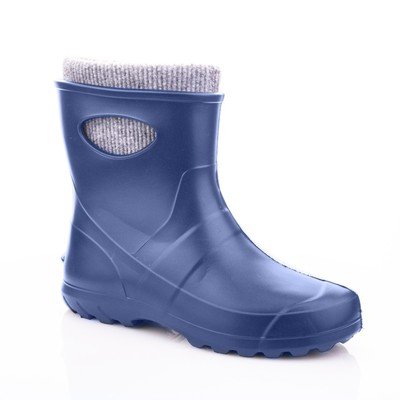
If you’re looking for a short wellington boot to save weight, then the lightest option you’ll find is the LBC Ultralight Ankle Boot. Coming in at an astoundingly low 219 grams per wellie, these ankle boots weigh around the same as a lightweight trainer.
They’re made using injection-moulded EVA, a construction method that’s both more durable and 65% lighter than boots that use PVC. The outer shell is pretty bare bones, but the boot also features an inner lining sock that can keep you warm down to -30 °C.
The sole is relatively grippy, but doesn’t feature the more prominent lugs that a heavier boot might. Still, it’s incredibly capable, and should be able to take you a long way.
Who these boots are for
These ankle boots are for someone who wants a seriously comfortable, capable and nimble lightweight wellie. As a replacement for walking boots in wet, relatively easy terrain, they’re a must-have.
2. Hunter Women’s Play Short Wellington Boots
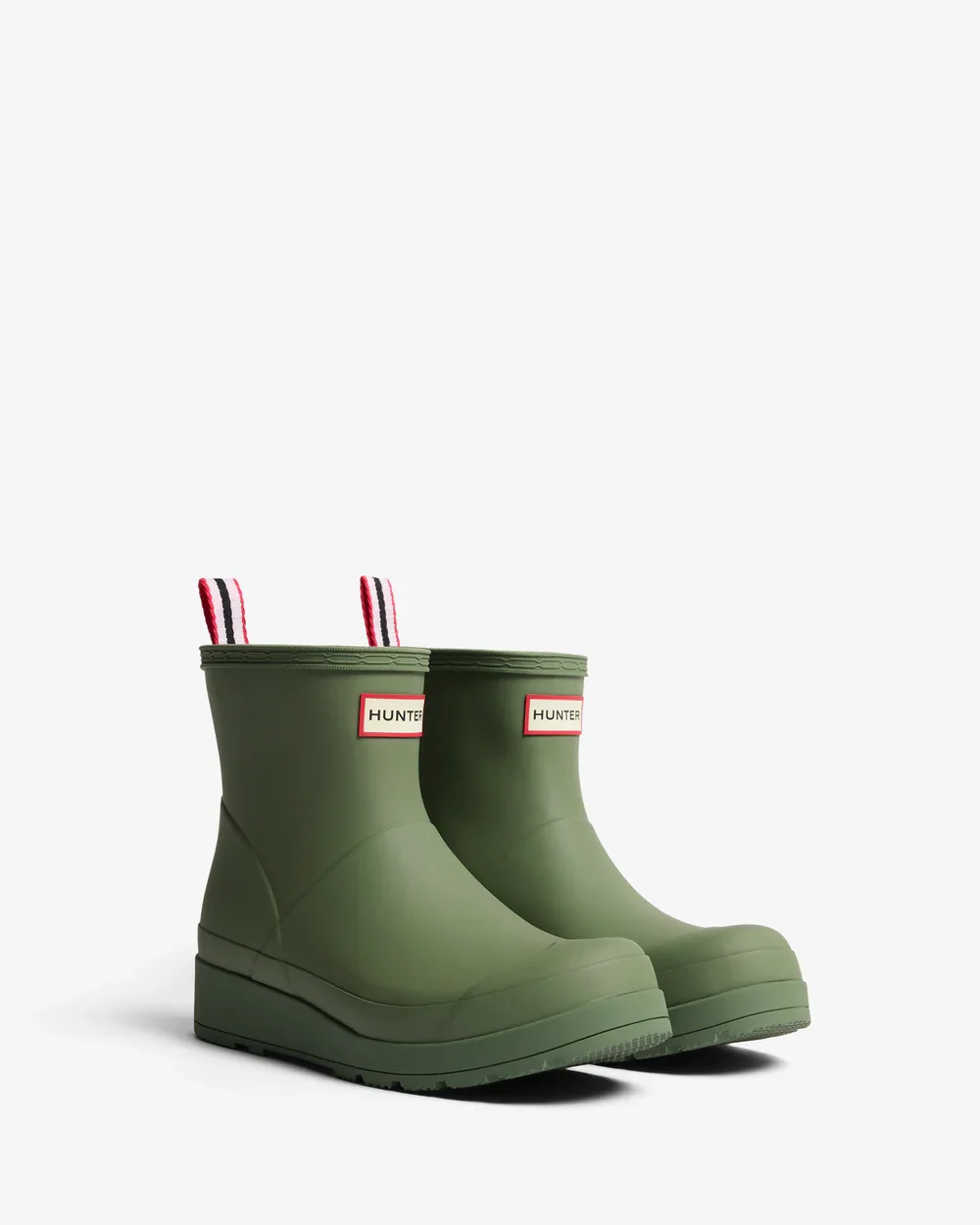
A lot of people choose a short wellington boot when they want a more stylish, urban alternative to their full-length wellies. If that’s what you’re looking for in your next pair, then Hunter’s Play Short Wellington Boots could be perfect for you.
Made from Hunter’s natural rubber, the upper is as supple and flexible as the rest of their high-quality wellies. The polyester lining provides extra comfort, but it also shouldn’t be too warm or thick when dashing around town.
The sole is flatter than most Hunter wellies, and while that does mean that you’re making a small sacrifice in terms of grip in muddy terrain, it’s perfectly adequate for city use, and looks a lot sleeker.
Who these boots are for
These boots are aimed at those who require a little less from their wellie in terms of performance, but a little more when it comes to style. Whether that’s around town or in more moderate wet weather environments, they’re worth keeping in mind.
3. Dunlop Dee Calf Length Wellies
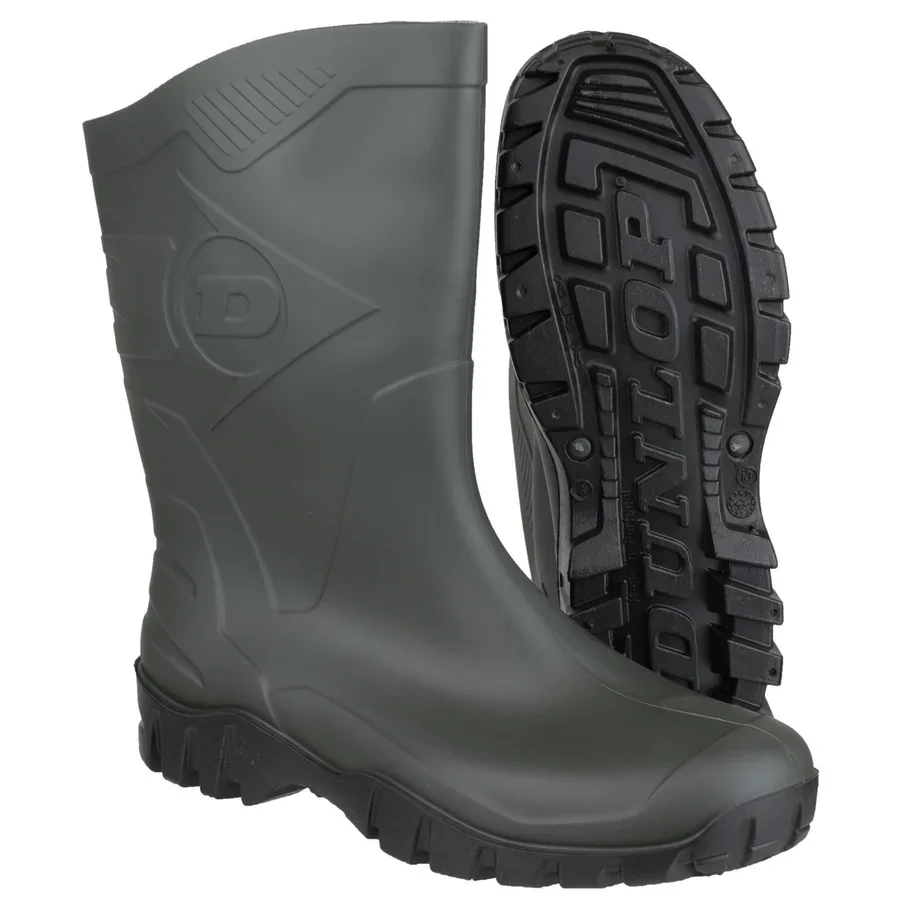
If you’re looking for a reliable but budget-friendly boot, then Dunlop is often a good first port of call. With short wellies, that’s no different, and this short leg wellie is absolutely worth taking a look at.
They’re made from 100% PVC, meaning they’re highly durable and resistant to a range of chemicals and oils. For those working on farms or in industrial settings, this can be a massive bonus.
They’re calf-length and feature a wide leg opening, meaning they’re quite convenient to slip on and off, while still offering more protection than an ankle boot. The sole also has quite prominent lugs, offering good grip on loose terrain.
Who these boots are for
These boots are great for those who want a reliable, durable short wellie that can handle a wide range of tasks. They don’t win any prizes in terms of comfort, but they do their job as a chore wellie very well.
4. Lakeland Active Women’s Kentmere Neoprene Insulated Short Wellington Boots
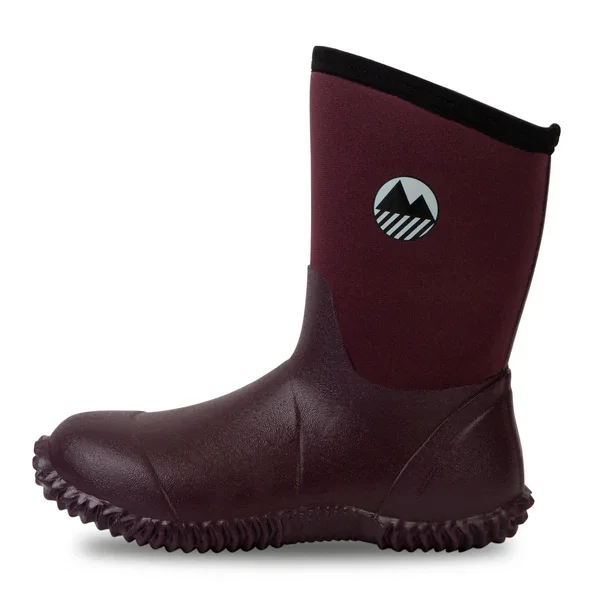
Lakeland are renowned for making versatile wellies for hard tasks, and this is a classic example of how they gained that reputation. The boot features 4mm insulating neoprene, meaning it should keep your feet warm and dry in sub-zero conditions.
The lower part of the boot is made from natural rubber, making it both completely waterproof and very comfortable. On the comfort side of things, the boots also come with memory foam insoles that will match the shape of your feet, making them comfortable for all-day use.
They’re easy to slip on and off with tabs on the heels, and the soles feature ridges that make them simple to clean even after you’ve been out in messy conditions.
Who these boots are for
These boots are well-suited to those who need a comfortable, capable short boot that can handle the cold as well as wet weather conditions. They’re relatively affordable, but you get a lot for your money.
5. Le Chameau Women’s Giverny Wool Lined Bottillon
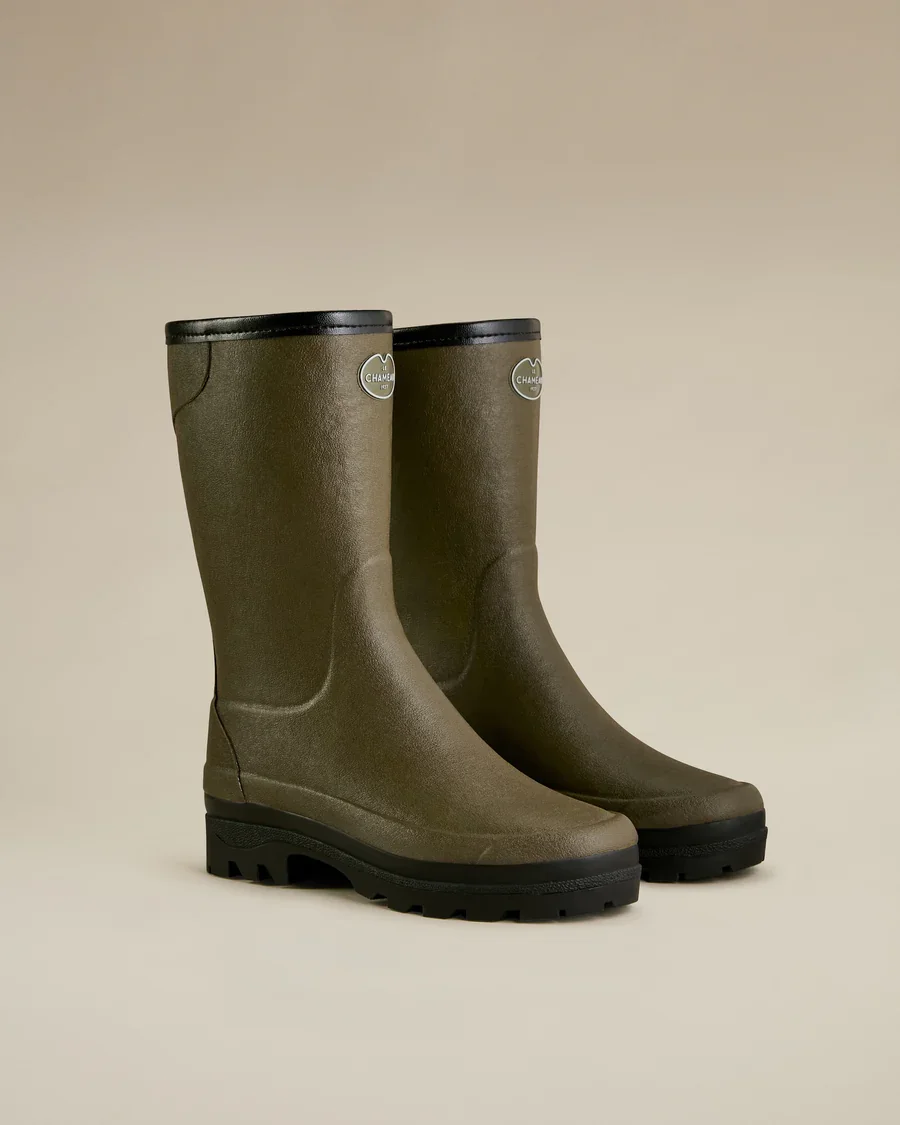
This short wellington boot from Le Chameau is easily the most luxurious on this list.
First of all, the boots are made by Le Chameau, one of the most prestigious boot makers around. All of their boots are handmade by a master bootmaker, from Chamolux rubber, resulting in a fully waterproof and extremely supple outer.
To top that off, this model is lined with wool, meaning that it should be able to keep your feet toasty and warm in even the coldest of wet weather conditions. They’re generously sized, making them easy to take on and off, and exceptionally comfortable even with a thicker pair of socks on.
Who these boots are for
The Giverny Wool Lined Bottillon is perfect for someone who wants a shorter boot, but who also wants to prioritise comfort. Whether for cold-weather chores around the garden or winter dog walks, they’re the luxury short wellie solution.
6. Hunter Men’s Original Short Wellington Boot
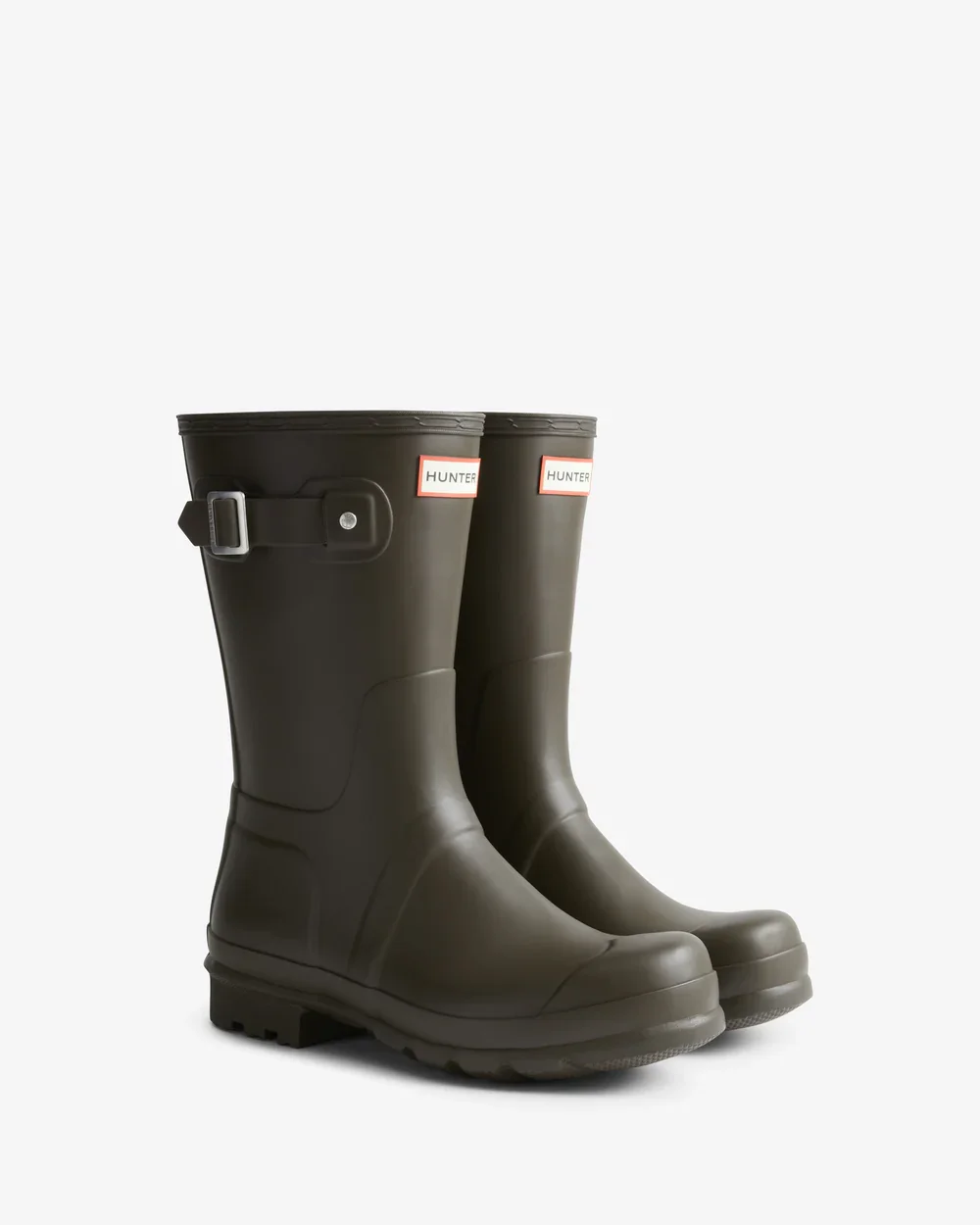
Hunter’s Original Wellington Boot is an absolute classic. This boot simply scales down the shaft a little, resulting in an incredibly versatile and comfortable wellie.
Made from vulcanised natural rubber, the boot is 100% waterproof while also remaining supple and comfortable to wear. Each of Hunter’s boots is handcrafted over several days, meaning that every model is thoroughly tested in a way that cheaper boots often aren’t.
The sole features the Hunter Original tread pattern, which ensures good grip on muddy ground, while the polyester lining is comfortable in moderate temperatures.
Who these boots are for
These boots are a great do-it-all option, while offering a little more comfort than something like a Dunlop. If you need a boot that will provide great protection and comfort for longer dog walks and gardening tasks, without the cumbersomeness of a full-length wellie, then this is definitely an option to keep in mind.
7. Le Chameau Men’s Cérès Jersey Lined Short
Wellington Boot
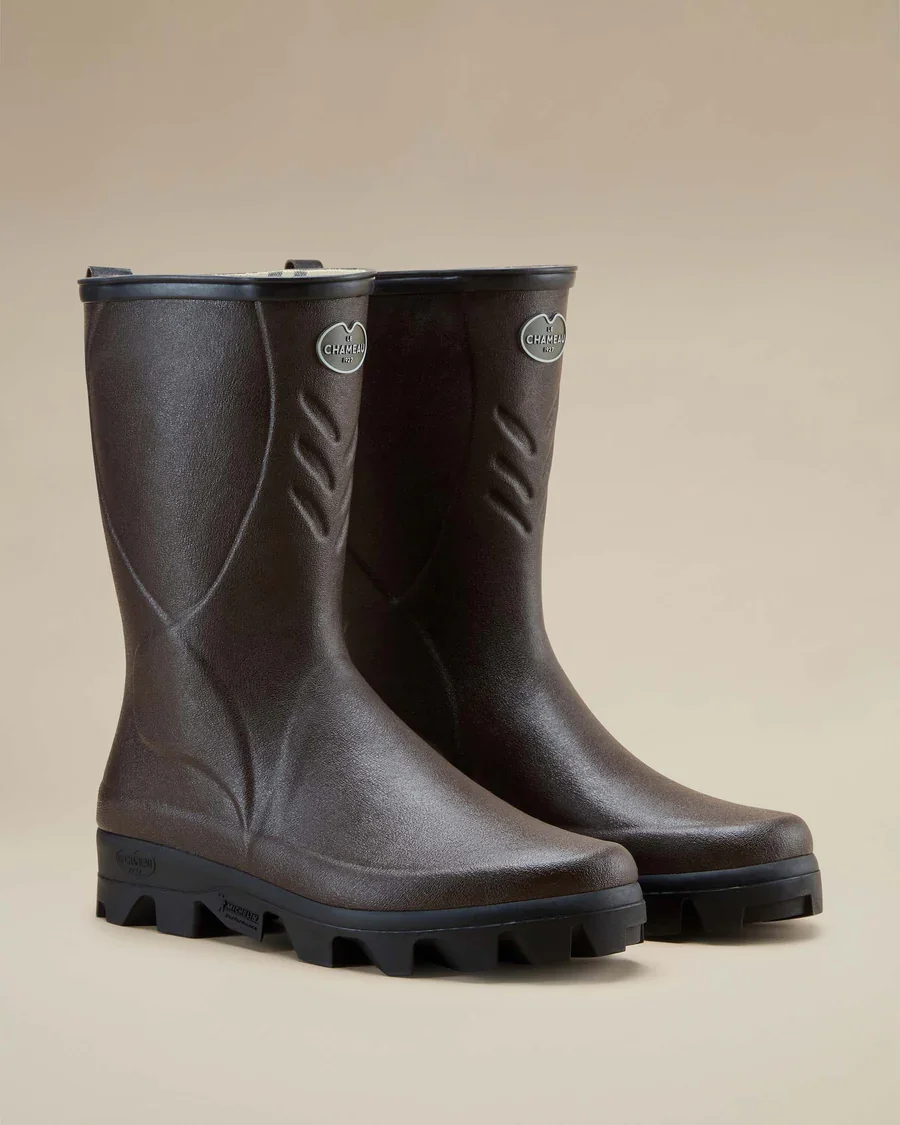
This boot is an excellent shorter version of Le Chameau’s main farming boot. The Cérès is made from Le Chameaux exclusive Chamolux rubber. The wellie is a joy to wear, and features additional reinforced areas, making it much more durable than their regular wellies.
The shorter length makes them easier to take on and off, while also resulting in a boot that some users will find slightly more comfortable. The self-cleaning Michelin Agri sole (specifically designed for use in agricultural contexts) provides excellent grip on all sorts of surfaces, while the jersey polycotton lining means your feet shouldn’t be too hot while working in most mild temperatures.
Who these boots are for
The Cérès is primarily aimed at farmers who need a comfortable, do-it-all boot that’s slightly less protective but more convenient than a full-length option. That being said, non-farmers who also want a durable, protective boot, for gardening or traipsing around the hills, could also find it perfect for their needs.
8. Hunter Unisex Downpour Chelsea Boot
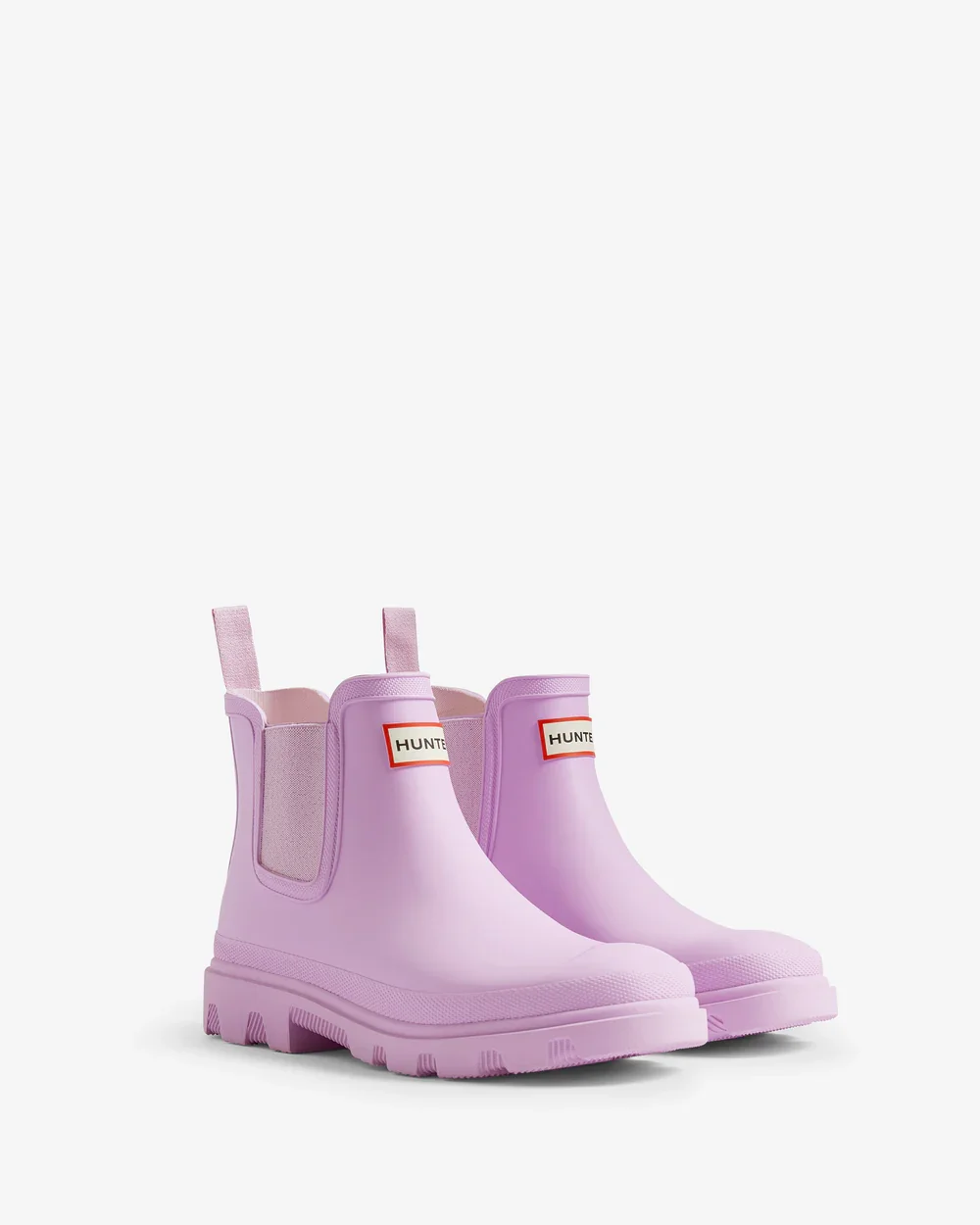
Often, those looking for ankle-length wellies want something that’s a little more stylish and less out of place in an urban environment. If that sounds like a familiar predicament, then Hunter’s Downpour Chelsea Boot is well worth taking a look at.
Made from 100% natural rubber, they’re completely waterproof, while also managing to retain the sophistication and style of a chelsea boot. The unique tread - shared by all the boots in Hunter’s Downpour range - is influenced by the contours found in natural landscapes, while also providing excellent grip on wet ground.
Who these boots are for
These boots are great for city use, and for walks in the park when it’s wet underfoot, but not too muddy. If you’re looking for some waterproof footwear that doesn’t clash with your regular outfits, then it’s likely one to keep in your shoe rack.
9. Unisex Muck Originals Pull-On Short Boots
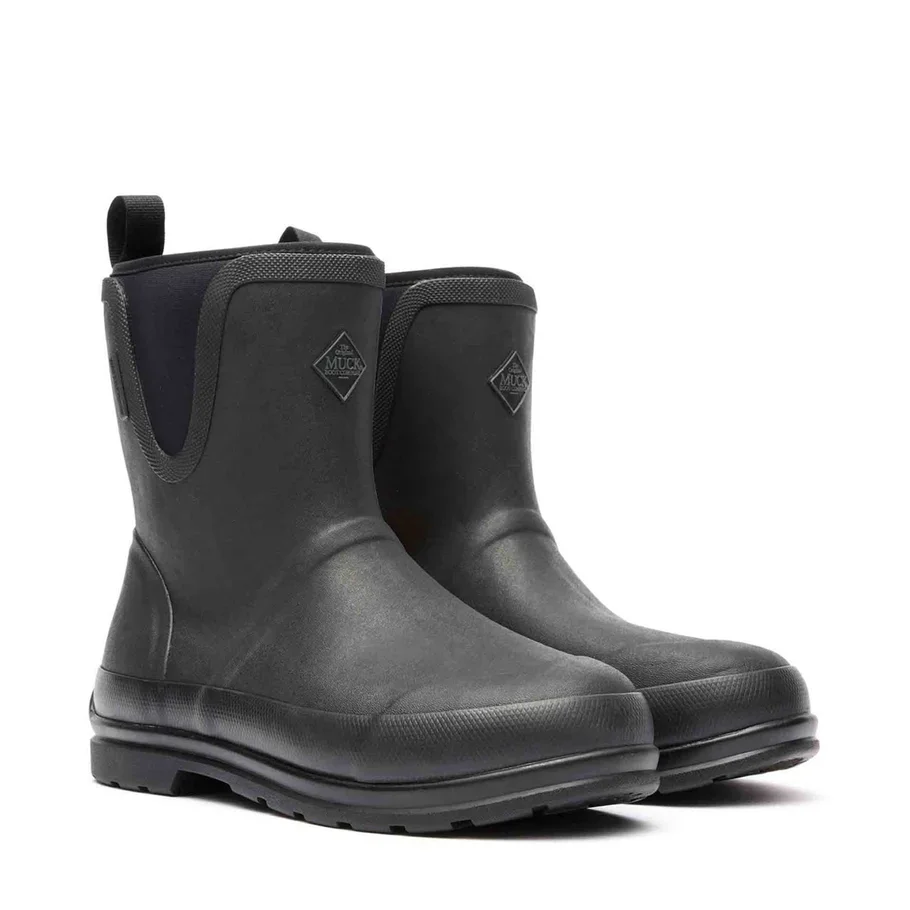
Muck Originals are a collection of boots that have been optimised in numerous aspects of their design, resulting in a capable, comfortable wellie.
The neoprene lining is quite comfortable, while also providing enough insulation to keep your feet warm in conditions down to around the freezing mark. The bioDEWIX footbed is made from memory foam, allowing it to form to the unique contours of your foot, while the antimicrobial insert helps to deal with bad smells and moisture management.
The steel shank provides excellent structural support that cheaper, less rigid wellies often lack, and the outsole is grippy enough for use on most moderate terrain.
Who these boots are for
The Muck Originals Short Boots are a great option for those who want a comfortable, ankle-length wellie for light use on moderate terrain. They won’t provide you with incredible protection, but then if you’re looking at this kind of boot, that’s probably not what you’re after anyway.
10. Le Chameau Men’s Zermatt Leather Lined Short Wellington Boot
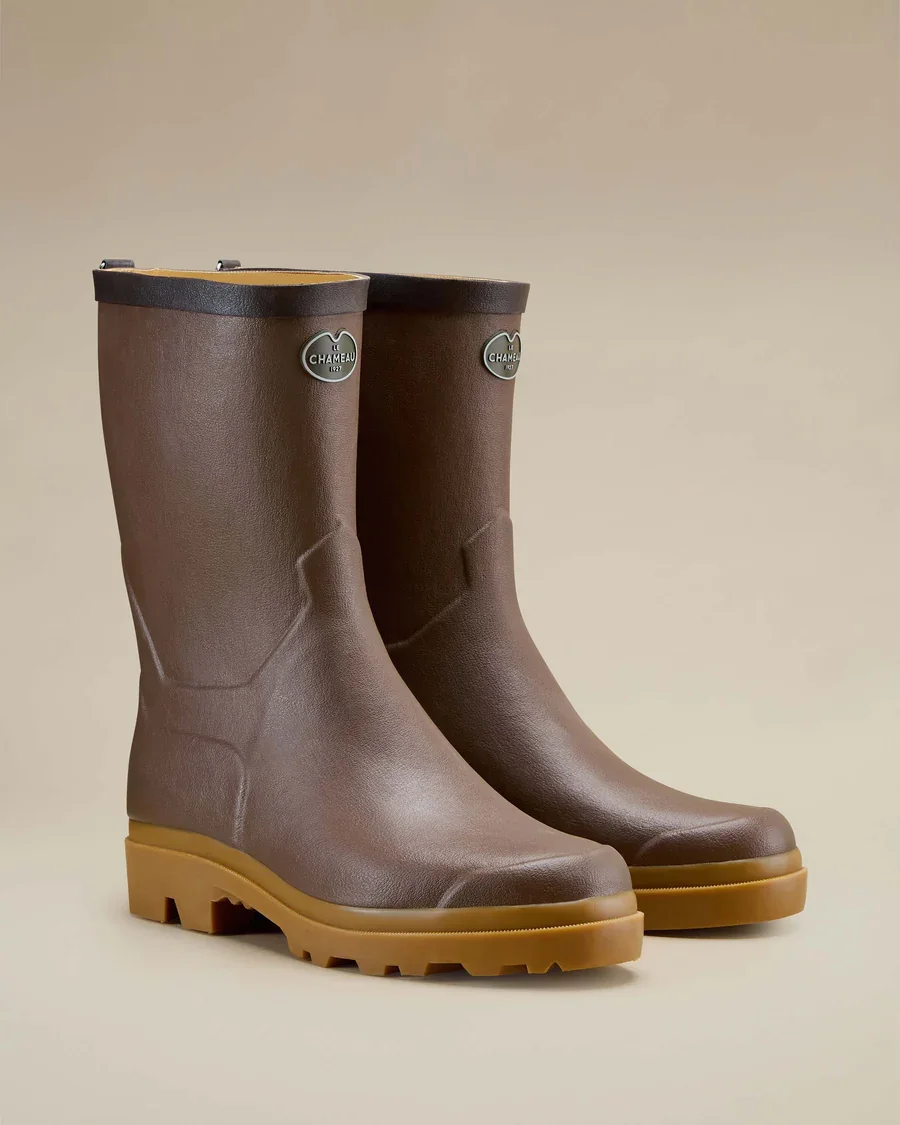
Le Chameau’s Zermatt Leather Lined boot is a nod to the famous eponymous alpine valley. While now mostly known for its world-class skiing and mountaineering, the alpine pastures also have a rich history of farming, and this boot is designed to cater to the people who work on those kinds of hills.
Each pair is lined with calfskin and handcrafted by a Maître Bottier, ensuring that every single boot is made to the highest standards. The non-slip sole provides exceptional grip on loose terrain, while the D-ring means that they’re easy to pull on and take off.
Who these boots are for
The Zermatt is aimed primarily at farmers working in trickier terrain. That being said, what Le Chameau have made is so comfortable and capable that it would be a shame not to also recommend it to anyone else who needs a strong, beautifully made short wellington boot.
11. Dunlop Wellington Shoes
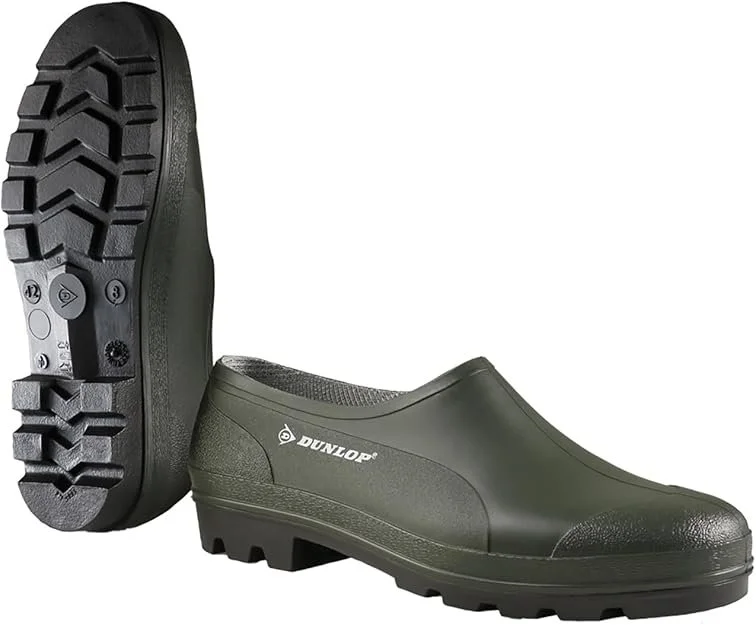
If you’re trying to find the shortest wellington available, then this is likely what you’ve been looking for. Closer to a shoe than a boot, this model from Dunlop is a convenient and strangely stylish offering to the world of wet-weather footwear.
Made from PVC, what limited material the boot does have is totally waterproof, and highly resistant to wear. They’re easy to slide in and out of, and the ergonomic shape is designed to make these shoes comfortable for extended periods of wear.
The soles are slip-resistant and should provide ample grip on a range of wet surfaces, just don’t try to take them anywhere near deep mud, or your feet will get wet.
Who these boots are for
These boots (or shoes) are perfect for wearing in damp, but not truly wet weather. They’re not designed to keep you wet in more extreme conditions, but can be very handy for when it’s still slightly too wet to be wearing a regular shoe while out in the garden.
12. Barbour Nimbus Wellingtons
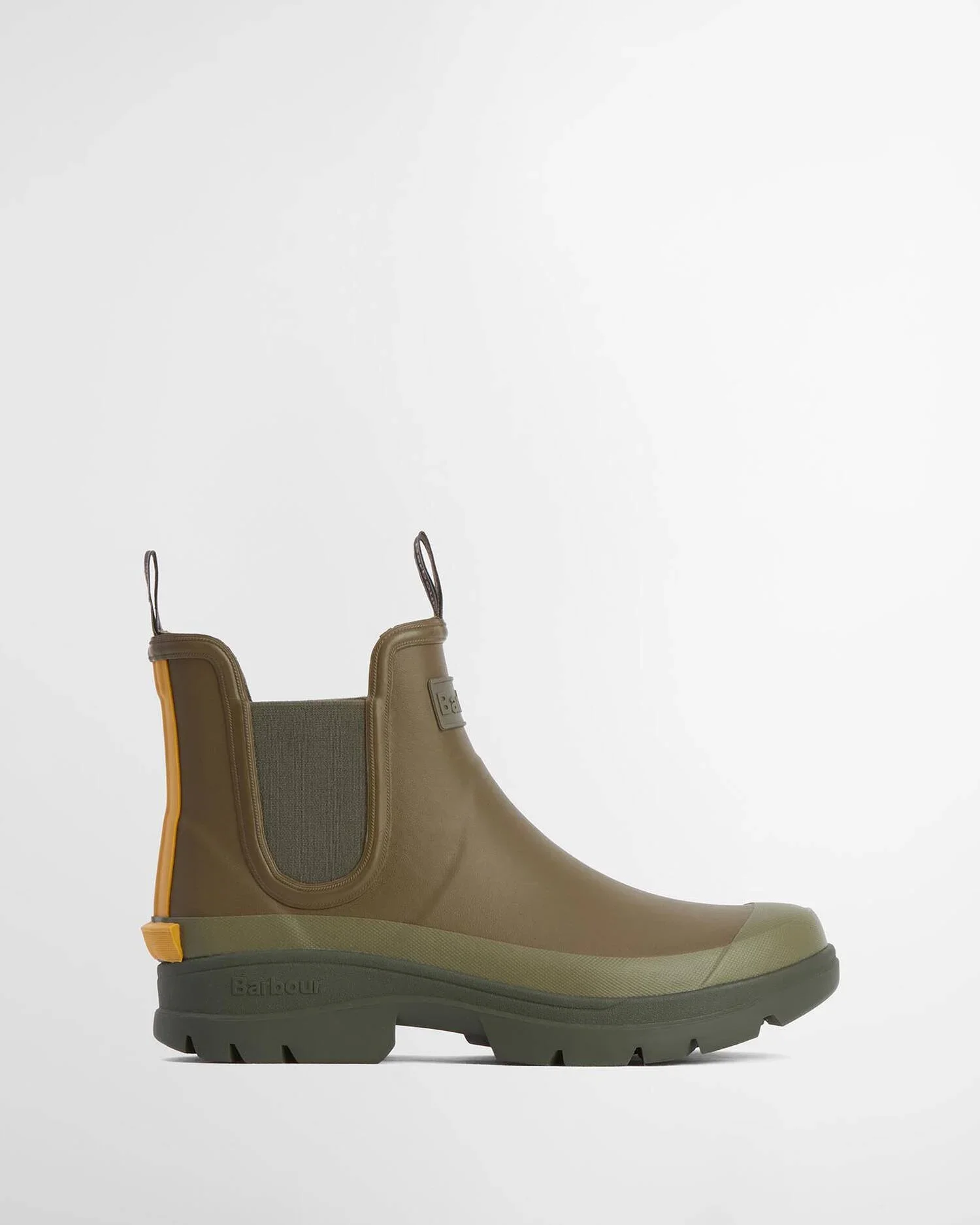
You may associate Barbour primarily with their iconic jackets, but it turns out that’s not the only thing they’re good at making. These Chelsea boots are an excellent smart wellington boot option, that somehow manages to be highly capable as well.
Made from natural rubber with a 100% cotton lining, they’re highly protective while also remaining comfortable even during longer excursions.
The sole is designed to provide grip almost as capably as a full on walking boots, while the tabs on the heel mean that you don’t have to struggle to pull the boots off when you get back home with freezing hands.
Who these boots are for
Barbour’s Nimbus wellington boots are a versatile boot, as perfect for walks in the country as they are for wearing around town. They’re quite comfortable, look great, and should keep you dry so long as you don’t take them into areas that are too demanding of what is ultimately an ankle boot.
How to properly store and care for short wellies
Caring for your short wellies is really important if you want them to last as long as possible. How you’ll go about caring for them will differ depending on what they’re made from, but only slightly.
With all wellies, but with natural rubber boots in particular, it’s important to clean them quickly after each use. Even more importantly, you’ll need to dry them properly, being sure not to use too much heat or leave them in the sun. Rapid drying can actually crack the rubber, and can often be avoided by leaving them in a cool, dry environment.
Drying the inside is equally important, and sometimes a little more difficult. A good tip is to stuff the boot gently with some crumpled newspaper, to draw out some of the excess moisture.
With short wellies, it’s potentially quite likely that you’ll end up using them relatively infrequently, storing them for longer periods of time between each use. It’s vital that you properly clean and dry the boots before putting them away for a few months; with natural rubber boots, you may also want to apply a rubber care product, to keep the rubber supple.
Conclusion
When it comes to natural rubber short wellies, brands like Hunter and Le Chameau still come out on top. If you want to prioritise something else, however, whether that’s economy or innovative use of materials, then you could also benefit from using a brand like Dunlop or LBC.
There are a potentially overwhelming number of options and features to choose between, and it really is worth using guides like this to further refine your search. It’ll save you time, money, and increase the chances that you end up with a boot that’s more than adequate for your specific needs.