The 10 best lightweight wellington boots in 2026
Wellies can be heavy, cumbersome lumps. That might be ok for a chore wellie, but for anything more demanding, you might want a slightly more nimble boot.
A wellie’s weight has a big impact on how comfortable it is to wear over a longer period of time, and how tiring it can be. Finding the balance between a capable boot and weight can be tricky, however, which is where guides like this come into their own.
Below, we explore how to find the right lightweight wellie, along with the 10 best options in 2026.
What makes a pair of wellies lightweight?
The three main factors that will influence a wellie’s weight are materials, production process, and features.
Some of the lightest boots on this list use proprietary materials that are significantly lighter than ‘conventional’ materials like natural rubber and PVC. Due to their increased strength, wellie manufacturers can also use less material in each boot, resulting in a much lighter model.
The production process is also important. If a boot is carefully designed, it can use just enough material in each spot to ensure that it’s sufficiently durable and waterproof, but not over the top. If the boot maker hasn’t done this legwork, they’ll likely have to use more rubber or PVC, resulting in a bulkier, less comfortable boot.
Additional features also impact weight. A steel toe cap or extra reinforcements in the shank can be crucial for your personal safety, but they often also add a lot of extra weight to the wellie. You’ll need to consider whether heavier features are necessary for your usage, and understand the impact they will have on weight.
An experienced manufacturer will be able to make a pair of ultra lightweight wellington boots that are reliable, capable, and no heavier than necessary.
What should you look for when buying lightweight wellies?
There are some general points to look out for in lightweight wellies, and then some more use-specific ones as well.
First, before you even get started with your search, you’ll want to think about what it is that you need from the wellie. It would be great if you could have everything, but you’ll likely have to compromise slightly on some factors.
Do you need the lightest wellie possible, with waterproofness, support and comfort all coming as secondary concerns? Or do you need a supportive, protective wellie as well, that you also want to be as lightweight as possible? Think about this a little beforehand, and it should simplify your search.
When it comes to weight, this is quite simple to assess - just look to see how many grams each boot is listed at on the website. If that number doesn’t mean much, you can weigh some shoes or boots you already have, to gain a better comparison.
Another concern will likely be durability. If you’re worried about weight, there’s a good chance you’ll be wearing the boots quite a lot, and that means that you’ll also want them to last. Look at the material that the boots are made from, but also for reinforcements in common wear areas. Lighter boots can mean that they’re also thinner than regular boots, which can result in quicker wear; this isn’t always the case, however, with lightweight materials such as Neotane standing up surprisingly well to tough work environments.
If you’re looking for a lightweight wellie with specific features, then you’ll have to factor those into the weight. For example, if you’re working in an industrial setting, or in farming, there may be some safety features that are unfortunately non-negotiable; you won’t get the lightest wellie there is, but you can still absolutely find light, protective options from brands like Bekina.
On the topic of brands, different makes will specialise in different markets. Le Chameau are renowned for making comfortable, high-quality boots aimed at the country pursuits and farming markets, while Bekina specialise in making lightweight wellies for tough work environments. You don’t have to stick with a specific brand for a specific function, but you’ll often find that it’ll be a good place to start your search.
You’ll ultimately have to weigh up your priorities and what you’re willing to compromise on, to find the lightest boot that still meets all your other requirements.
At A Glance
The best lightweight wellies overall for 2026: Hunter Unisex Downpour Tall Wellington Boot
The best value for money lightweight wellies: Dunlop Pricemastor Wellington Boot
The lightest wellies reviewed: LBC Ultralight Ankle Boot
The 10 best lightweight wellington boots in 2026
These are the 10 best lightweight wellington boots you can get your hands on in 2026.
Hunter Unisex Downpour Tall Wellington Boot
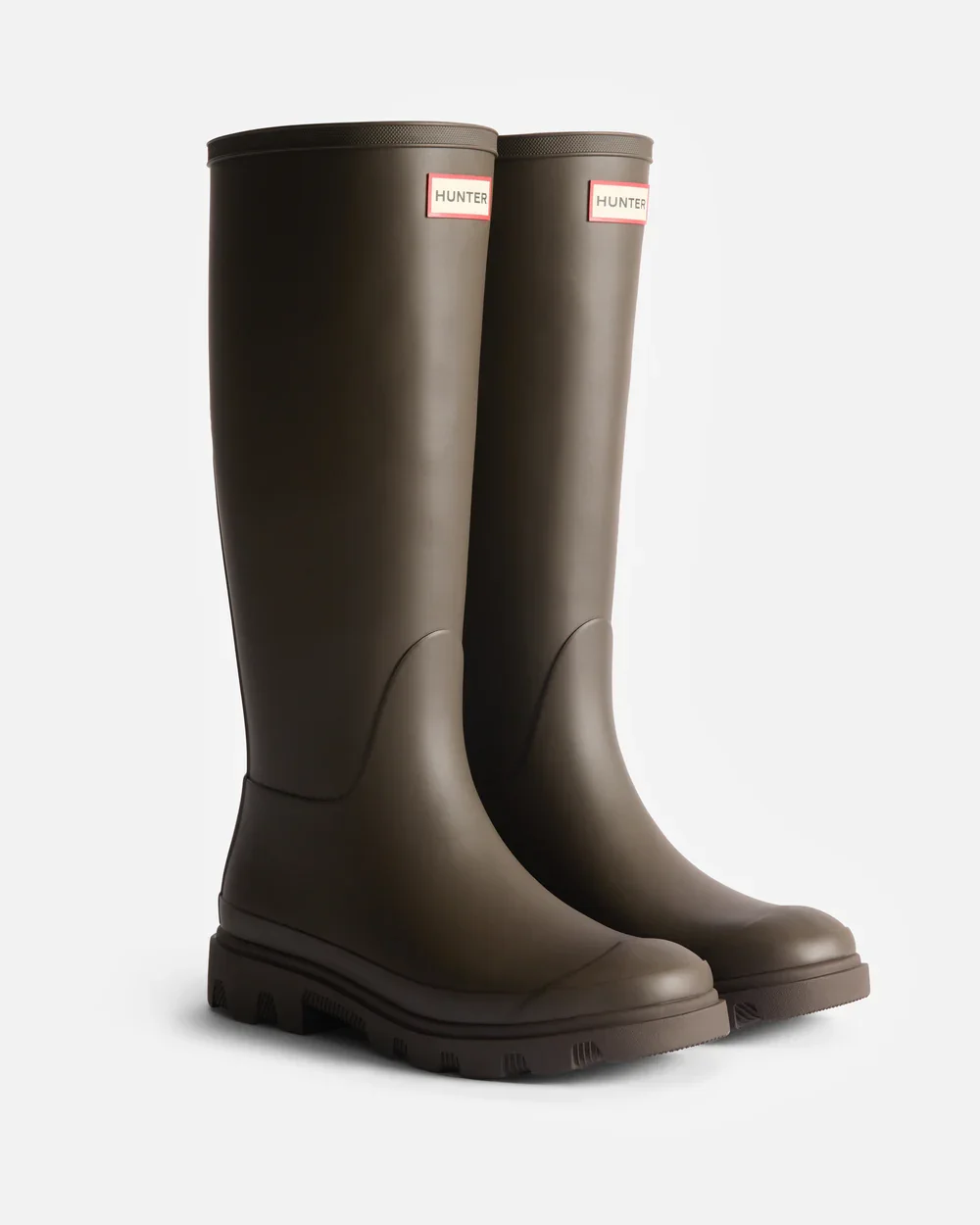
The Hunter Downpour series of wellington boots is a classic example of a stripped-back, high-quality, lightweight wellie. Made from a slightly thinner, more flexible natural rubber than Hunter’s Original Tall boots, the Downpour wellington will still keep your feet bone dry without dragging you down.
The moulded outsole is also a little lighter than the one you’d find on their regular boots, with a unique, grippy tread that reflects shapes and lines found on natural landscapes.
The lighter construction will likely mean the boot will wear out faster than a regular wellie, but that’s the price you pay.
Who these boots are for
These are one of the best all-round lightweight wellington boots you’ll be able to find. Whether you need a boot for walking the dog or doing light farm work, it can be a great go-to.
2. LBC Ultralight Ankle Boot
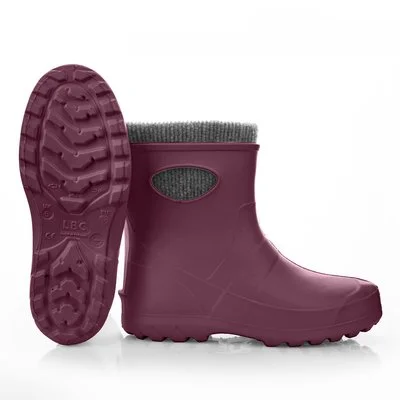
If you’re looking for the lightest wellington boot money can buy, then you’ll have to at least consider the LBC Ultralight Ankle Boot. Coming in at a minuscule 219 grams per boot, these are almost the same weight as a lightweight running shoe.
This record-breaking weight is possible thanks to the injection-moulded EVA construction. As a result, they’re resistant to cracking and splitting, and also around 65% lighter than a PVC alternative.
They come with a cosy inner sock, which helps to keep you warm in temperatures down to -30 °C. Of course, they don’t give you the kind of protection that a full-length boot would be able to provide, but they more than make up for that with their impressive weight. As the king of ultra lightweight wellington boots, it’s definitely worth at least considering.
Who these boots are for
This boot can be used by those who want a simple, lightweight alternative to walking boots. It won’t provide the support of a proper walking boot or the protection of a full wellie, but it will be perfect for walks on moderate, wet terrain.
3. Bekina Steplite Easygrip Wellington
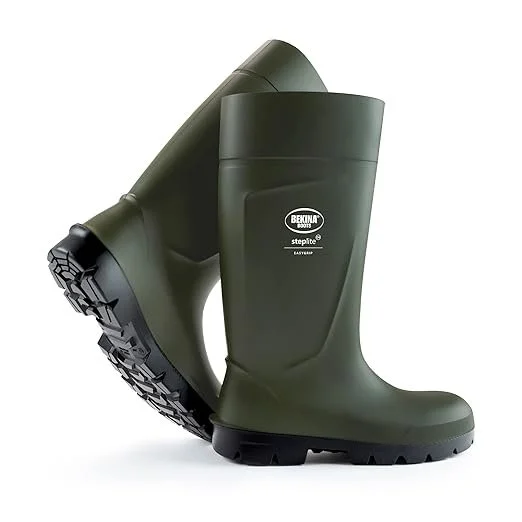
Bekina’s Steplite is another great example of a lightweight wellie resulting from an innovative use of materials. Made from Bekina’s proprietary material, NEOTANE, it is substantially lighter than both traditional rubber and PVC wellies.
NEOTANE is also packed with air bubbles, which result in a high thermal insulation value. As a result, the boot can be comfortably worn in temperatures down to around -20 °C.
The material is still flexible comfortably, and the boots have been engineered to facilitate air flow each time you step, to minimise sweat build-up.
Who these boots are for
These boots are primarily designed for farmers, who need to wear their wellies for exceptionally long days. That being said, they will also be a good option for anyone who wants a durable, lightweight wellington boot that stays comfortable even after spending many hours on their feet.
4. Le Chameau Women's Vierzon Jersey Lined
Wellington Boot
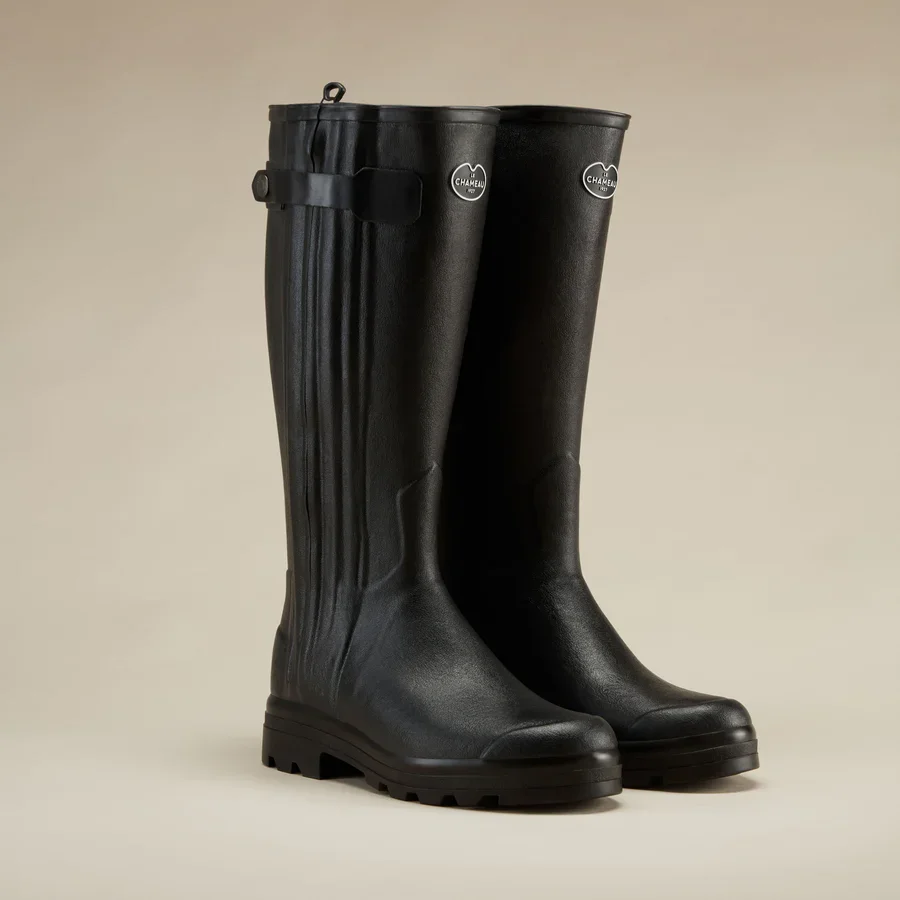
Le Chameau are the premium luxury wellington boot maker, and the Vierzon is one of their lightest models. Each boot is handcrafted from 2mm Chamolux rubber, resulting in an exceptionally supple upper and shaft that flexes easily as you walk.
The boot is lined with a thin tartan polycotton, meaning that it’s suitable for use throughout the year, even during the hotter months. It’s slightly more feature-rich than other lightweight boots, with an adjustable waterproof gusset to facilitate a comfortable fit.
The dual-density Grip outsole is suitable for use on all sorts of terrain, while it also does an excellent job at providing support and limiting fatigue.
Who these boots are for
The Vierzon is a premium boot designed for those who spend longer periods of time in their wellies. If you live in the country and need to spend lots of time out in wet conditions, without sacrificing comfort, then it will be a good option for you.
5. Dunlop Pricemastor Wellington Boot
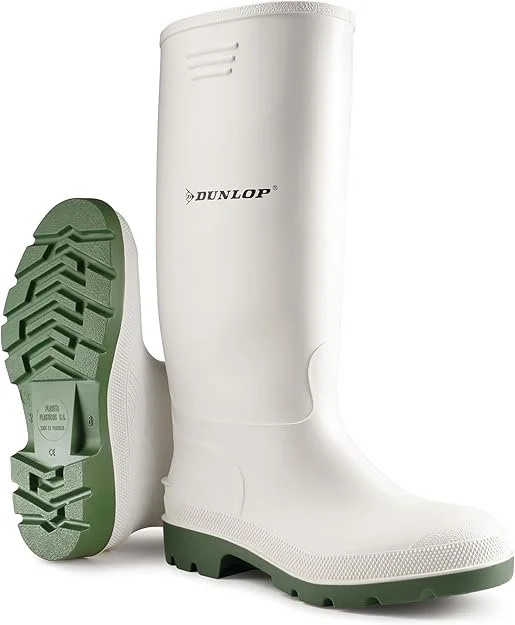
The Dunlop Pricemastor is likely the cheapest lightweight wellington boot on the market. Thanks to its PVC construction, it’s both relatively durable and quite inexpensive to produce, while still being totally waterproof.
It’s resistant to a range of animal fats, oils and minerals, making it suitable for light farming work. It isn’t a boot that fully prioritises comfort, however, meaning it won’t be the most pleasant boot to wear all day.
It’s all together an excellent, fully waterproof wellie that will be useful in a variety of less demanding conditions.
Who these boots are for
The Dunlop Pricemastor is a great boot to have in your arsenal. Even if you have nicer wellies as well, this is a great option to have by your door for everyday tasks when you need a light, convenient option and not much more.
6. Hunter Unisex Downpour Short Wellington Boot
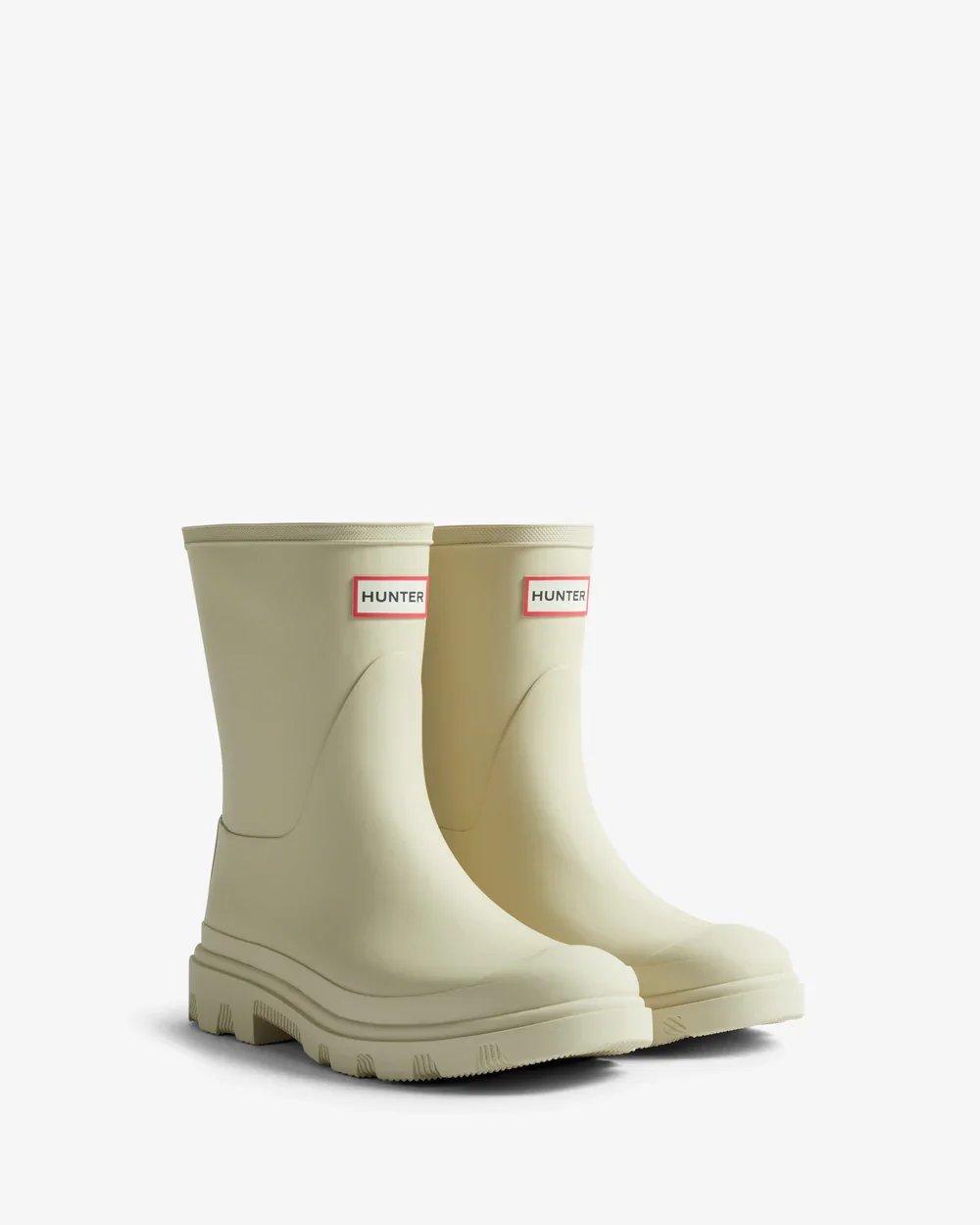
If you really want a lightweight boot, one effective solution is to get a boot that simply contains less material. If that’s what you’re after, then this short version of Hunter’s Downpour does exactly that.
It’s still made from vulcanised natural rubber, and will keep your feet perfectly dry in wet weather. The shorter shaft makes it lighter and easier to wear; however, it does also mean that you’ll get less protection in deeper water and when walking through thicker undergrowth.
The ankle is generously sized, meaning that they’re easy to put on and take off. It does mean that you might struggle to get a tight fit and strong ankle support.
Who these boots are for
These short boots from Hunter are a great lightweight option for those who don’t need something quite so serious. Whether that’s for garden chores or urban forays into the rain, they’re a stylish, convenient option.
7. Le Chameau Men's Country Cross Jersey Lined
Wellington Boot
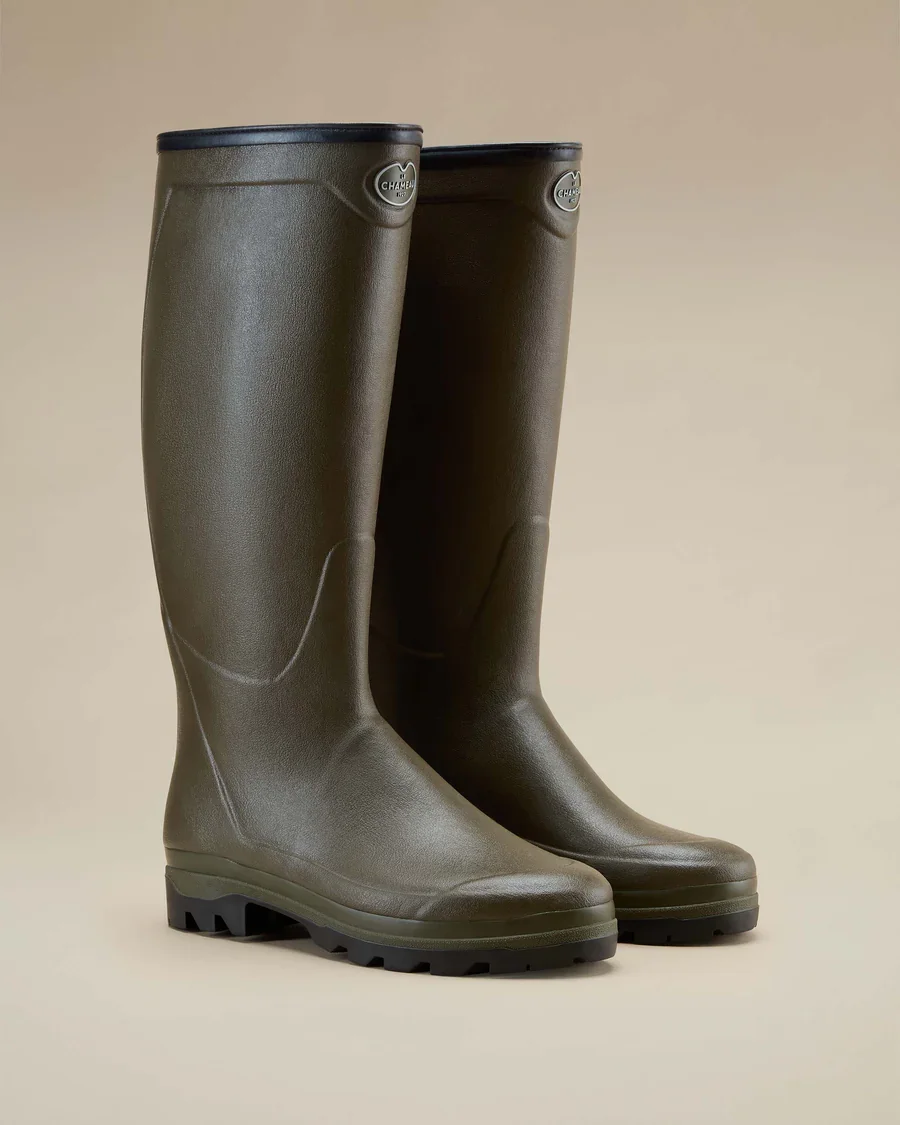
This simple yet beautifully handcrafted boot from Le Chameau is a fine example of a lightweight boot done well. The Country Cross is assembled by a master bootmaker from Chamolux natural rubber, and is then tested to ensure the boot is entirely waterproof.
The polycotton jersey lining ensures maximum comfort even during the warmer months, and the lack of any unnecessary features means that the boot is as light as reasonably possible.
The shock-absorbing Cross sole features dual-density materials to increase comfort, while also making it an ideal boot to traverse more difficult ground.
Who these boots are for
The Country Cross is a great all-around lightweight boot for country enthusiasts. The natural rubber upper will wear out a little faster compared to synthetic boots, but it will also be significantly more comfortable.
8. Lakeland Active Rydal Neoprene Insulated
Wellington Boots
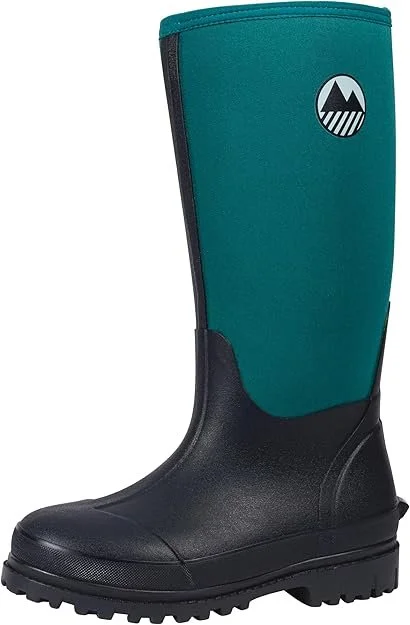
This boot from Lakeland is one of the heavier options on this list, while still being reasonably lightweight. The lower part of the boot is made from natural rubber, while the shaft is made from 5 mm neoprene, ensuring comfort and warmth in conditions down to -20°C.
The reinforced rubber soles provide underfoot protection and stability in even the toughest of conditions, while the kick rim ensures easy, hands-free removal when your boots are mucky and your hands are cold.
They’re a hard-wearing boot that should last you a long time, while keeping your feet safe and warm.
Who these boots are for
As these boots are a little stronger, they’ll withstand slightly tougher tasks. Whether you need some wellies for yard work or to walk the dog, they’re a good, reasonably affordable option to have in your boot rack.
9. Hunter Women’s Play Short Wellington Boots
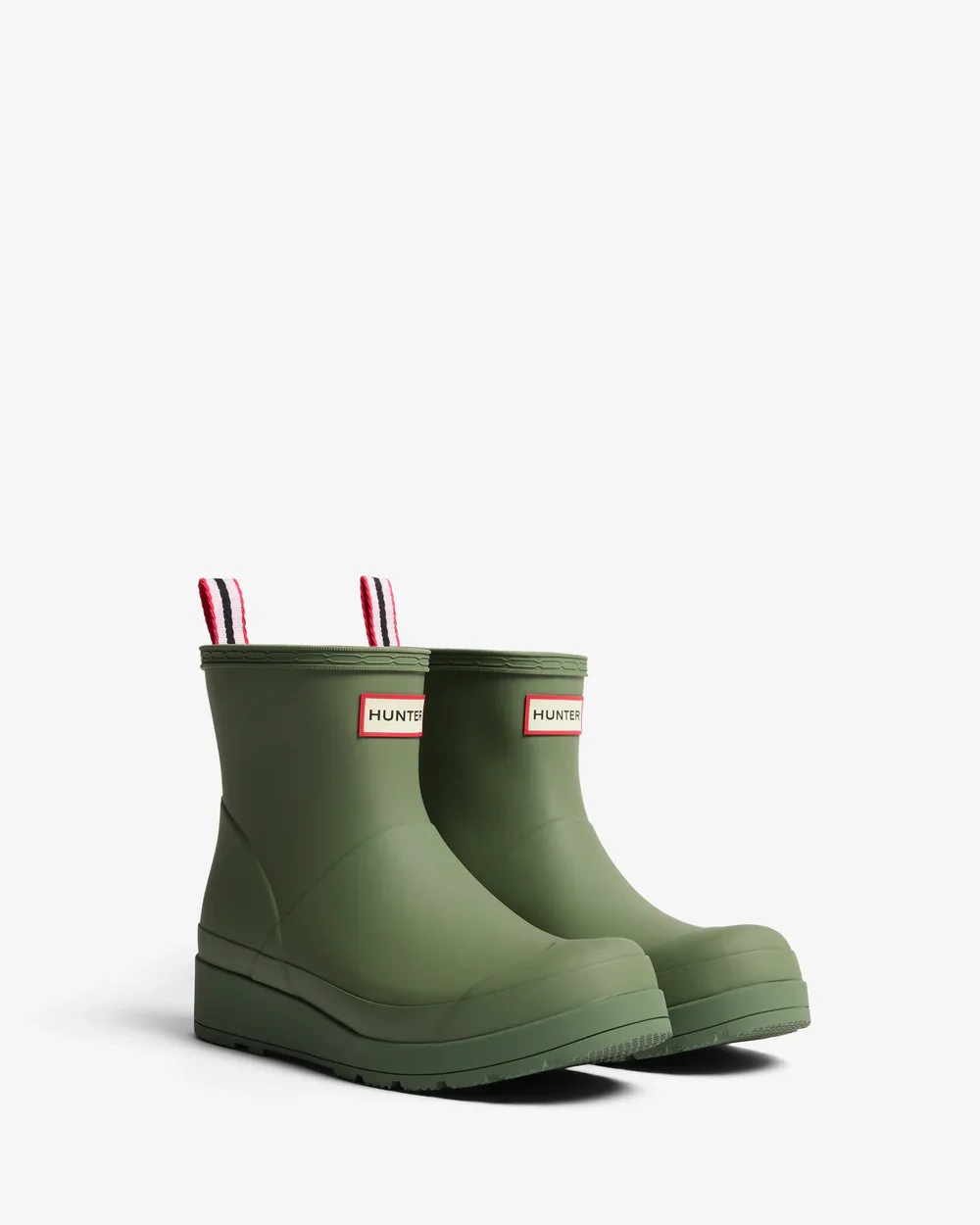
Some people looking for a lightweight wellie will also want something that’s relatively stylish and will work with their urban outfits. If that sounds like something you’re looking for, then look no further than the Hunter Play Short Wellington Boot.
Made from natural rubber and featuring a polyester lining, this boot will keep your feet comfortable and dry in more moderate wet weather conditions.
The flatter sole isn’t perfect for use in extremely muddy terrain, but it is well-suited for use in urban environments and for moderately wet countryside endeavours.
Who these boots are for
These boots are perfect for those who want something stylish to walk around town or go to a festival in. They work with a range of outfits, and will keep you dry so long as the puddles and mud don’t get too deep.
10. Le Chameau Women’s Giverny Wool Lined Bottillon
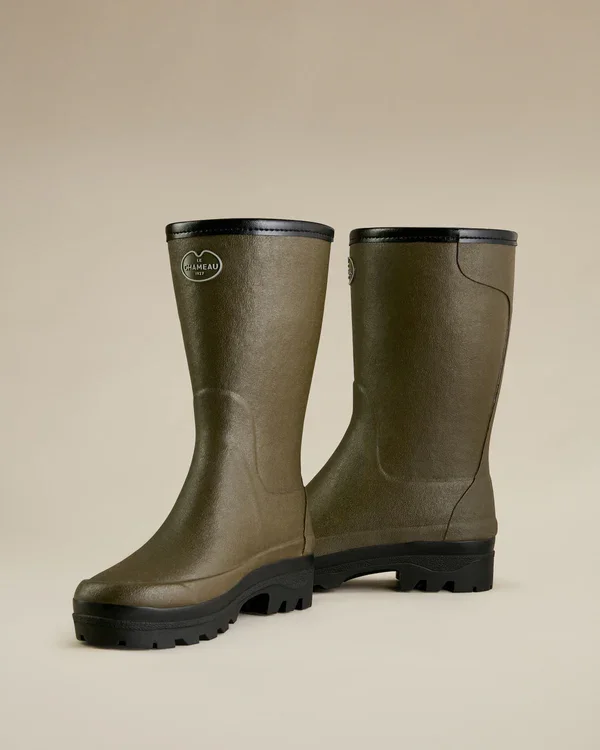
If you thought that a lightweight boot had to come at the expense of comfort, think again. These might not quite be the lightest boots on this list, but they are by far the most comfortable, in fact, potentially the most comfortable boots you can buy, full stop.
With a plush wool lining, they’re designed to keep your feet warm and cosy in even the coldest weather conditions. The generously sized shaft makes them easy to slip on and off, while also ensuring they’ll fit with thicker socks on.
The Chamolux rubber construction is both lightweight and extremely flexible, meaning the boots are comfortable to both walk and crouch down in, whether you’re taking the dog out or doing gardening tasks.
Who these boots are for
These boots are perfect for people who want something lightweight and comfortable, and who don’t want to get cold feet. For shorter walks and most general tasks, they’re the premium luxury option on the market.
Taking care of your lightweight wellies
Looking after your lightweight wellies is extra important to ensure their longevity. That being said, exactly how you’ll go about doing so will depend somewhat on the material the boots are made from and the kinds of activities you’ll be using your wellies for.
Premium wellies are often made from natural rubber, and it’s also the material requiring the most care. You should ideally wash and scrub rubber wellies after each use, using an appropriate rubber care product a few times a year. These products help to ensure that the rubber doesn’t dry out too much, minimising the risk of splits and cracks.
Synthetic wellies should also be washed off after each use, and gently scrubbed if there is any muck that’s a little harder to get off.
If you’re wearing your lightweight wellies in a work environment and they come into contact with any chemicals or animal waste, it’s extra important that you wash them off as soon as possible. Chemicals accelerate material degradation, especially if the boot isn’t designed to be used in these environments. Make sure that the boot is certified for use in these conditions, so that you can be sure your feet are adequately protected.
Conclusion
Lightweight wellies can be transformative pieces of wet-weather kit, but it’s important you find a pair that suits your other requirements as well. By relying on guides like this, you can expedite the research process significantly, with the majority of the legwork already being done for you.
Make sure that you carefully consider how you’ll use the wellie, the features that are non-negotiable, and how much you’re willing to spend. If you can do that before starting your search, you should be able to find a perfect wellie for your needs.